













”Yukimuro,” Natural Snow Cellars
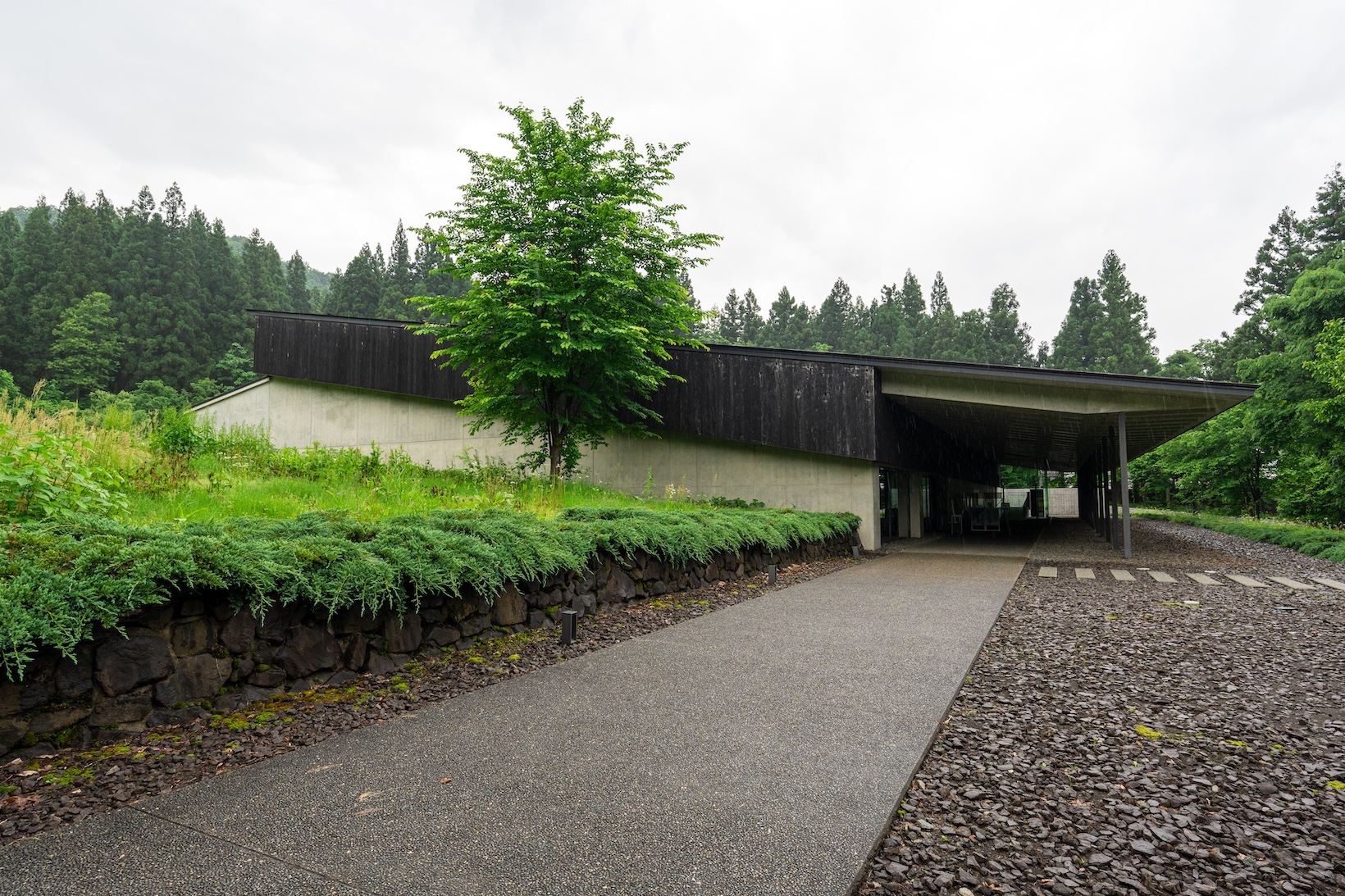
Hakkaisan Yukimuro
A snow cellar is a “natural refrigerator” that uses freshly fallen snow. In the city of Minamiuonuma, located in the heart of Japan’s snow country, snow cellars have been used since long ago as a way of preserving food. Even today they are used to store and age produce, meat, and alcohol. Matured to excellence, these “snow-cellar-aged” products have come to be recognized for their premium quality.
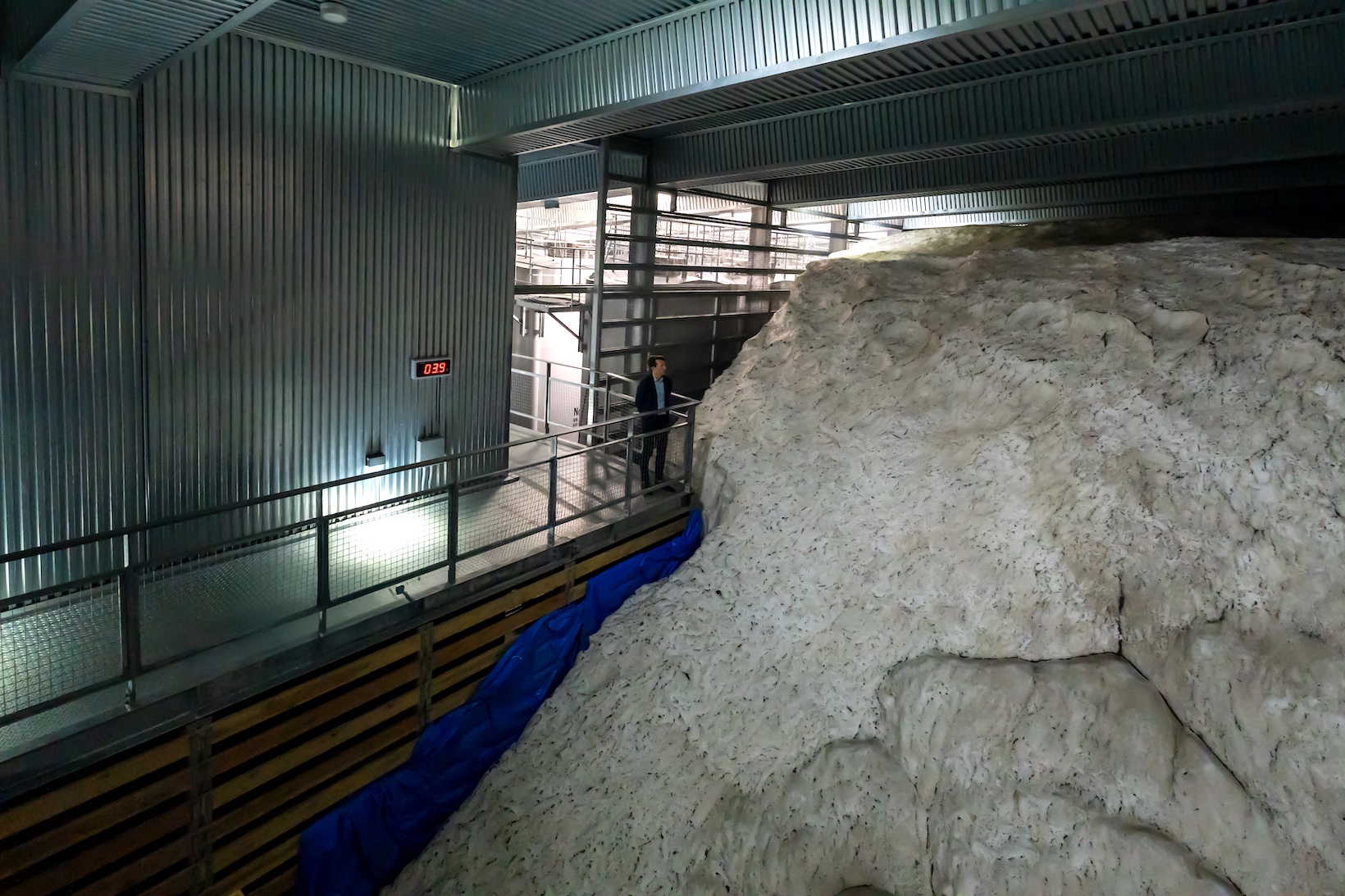
Snow cellars can be divided into two main categories: “igloo” style in which items are kept cool through direct contact with the snow and “ice box” style in which a large mass of snow cools the air itself, indirectly cooling the items stored inside. The Hakkaisan Snow Cellar is of the ice box variety and houses sake brewed specially to reach maturation in the ideal conditions of the snow cellar. There is also space for storing vegetables and coffee beans.
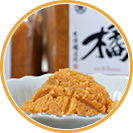
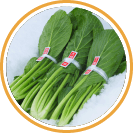
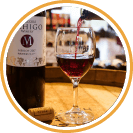
The flavor of sake gradually deteriorates when exposed to vibrations and temperature fluctuations. However, in a snow cellar, sake can be stored at a constant temperature all year round. Furthermore, because no electricity is used, the interior of the snow cellar is perfectly still and silent. In this stable atmosphere, the sake is allowed to age and mature for years without agitation, ultimately bringing out a uniquely mellow and delicious flavor. Root vegetables like carrots also respond to the snow cellar’s cold, humid environment by increasing in sugar content and snow-cellar-aged coffee beans are said to take on a crisp, clear flavor.
The Hakkaisan Snow Cellar holds approximately 1,000 tons of snow and maintains a steady temperature of around four degrees Celsius. Every year in late February the cellar is filled to capacity with snow and by the following February, half of the original quantity still remains. The left-over snow is flattened out and fresh snow is piled high on top of it, replenishing the cellar for another year.
Because snow acts as an absorbent, extracting dust and odor from the surrounding environment, the air inside the snow cellar feels cool and clean to breathe. Falling snow naturally absorbs dust which is then left behind as the snow melts, explaining the black specks that begin to appear on its surface which was initially as white as, well, snow. From a sustainability standpoint, snow cellars are also receiving renewed attention as a means of refrigeration requiring no electricity.
The earliest mention of a snow cellar is found in the Nihon Shoki, a historical record from the Nara period (720 AD). Until electric refrigeration became common within the last century, snow cellars were used throughout Japan’s snow country, with 60 being located within Niigata prefecture. Snow cellars of the time were made by arranging layers of straw over large mounds of snow which would then last through the summertime. These snow cellars not only kept food cool but, by maintaining a steady temperature, importantly functioned to prevent vegetables and other foods from freezing throughout the coldest months. In summer, the snow was sold in bulk to fishmongers and restaurants where it was used to preserve the freshness of ingredients and prevent spoilage. Individual households also had the practice of building small-scale snow cellars to store their yearly harvests.
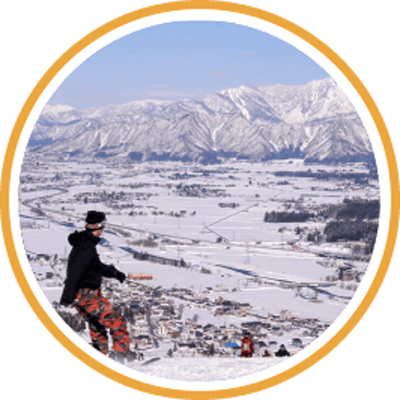
In this region, shut in by deep snow during the long winter, people saw snow not just as an obstacle but rather, through wisdom and ingenuity, as a very source of their sustenance. Because of the snowfall, the air is clear, the fields are watered by fresh snowmelt, and snow country culture has flourished. Snow cellars, one example of that culture, being powered purely by snow, are of great interest even today. The wisdom of snow country, having been passed down through the ages, is still, and will continue to be, woven into the fabric of life here in Minamiuonuma.
Photo Gallery
Movie Clip
Site Information

| Name | Hakkaisan Yukimuro |
|---|---|
| Address | 459, Nagamori, Minamiuonuma, Niigata |
| Telephone | 025-775-7707 |
| Bussiness Hours | 10:00~17:00 |
| Regular Holiday | Closed on New Year's Day only |

Website